Citrus Pests and Diseases (Australia Guide)
Citrus trees are generally hardy and productive, but they are not immune to pests and diseases. In Australia, common issues such as sap-sucking insects, fungal infections, and nutrient-related problems can quickly reduce tree vigour and fruit quality if left unmanaged. Early identification is key to preventing long-term damage.
While both in-ground and container-grown citrus can be affected, potted trees are often more vulnerable when stressed. Restricted root space, inconsistent watering, poor airflow, and nutrient imbalances can all increase susceptibility to infestations and disease outbreaks. A healthy, well-maintained tree is far less likely to experience severe problems.
This guide covers the most common citrus pests and diseases found in Australia, how to identify them, the damage they cause, and the safest and most effective ways to control and prevent them. Use the quick identification table below to diagnose issues, then follow the detailed sections for treatment guidance.
| Pest / Disease | Photo | Key Symptoms |
|---|---|---|
| Citrus Leaf Miner > | 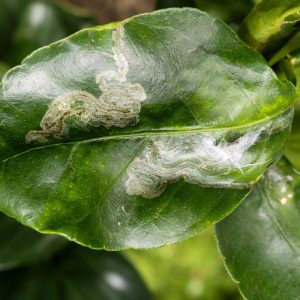 | – Silver winding tunnel under leaf surface – Effects mostly new growth – Leaves can grow twisted and distorted |
| Citrus Gall Wasp | 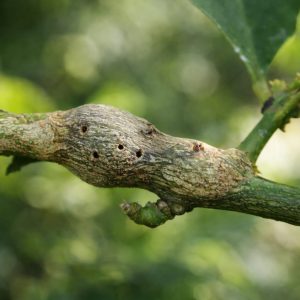 | – Hard swollen lumps on stems – Small holes where larvae exit – Stunted growth |
| Bronze Orange Bug / Stink Bug | 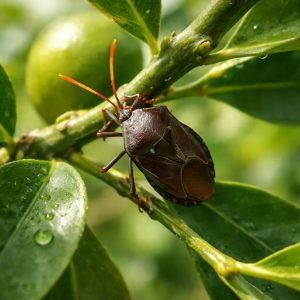 | – Bronze orange bugs feed on plant sap – Stunted growth and fruit drop Wilting and drooping leaves – Bugs tend to cluster on single plants |
| Scale | 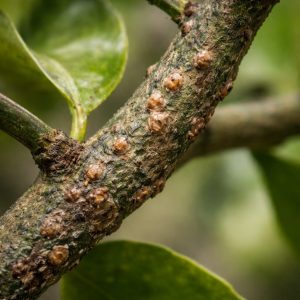 | – Hard sap sucking shelled insect attached to stems and leaves – Wilting foliage and stunted growth – Sticky residue and black sooty mould |
| Aphids | 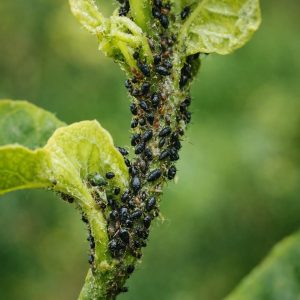 | – Clusters of small sap sucking insects – Affects mostly soft new growth – Distorted, curled and stunted growth – Ant activity – Sticky residue – Sooty mould |
| Mealy Bugs | 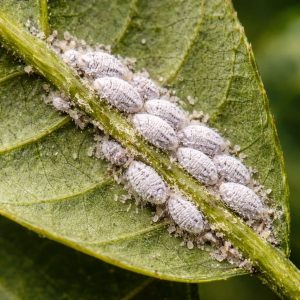 | – Clusters of white cotton like insects on stems and leaves – Commonly found in the joints of leaves and soft growth – Reduced plant growth – Sticky residue – Ant activity |
| Spider Mite | 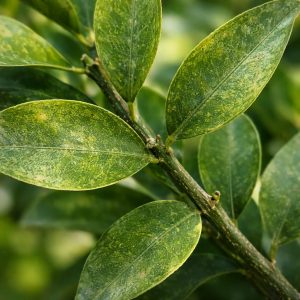 | – Yellow specking on leaves inconsistent with nutrient deficiencies – Dull, dusty leaf colour – Fine ‘spider like’ webbing on underside of leaves – More active during hot, dry weather |
| Citrus Rust Mite | 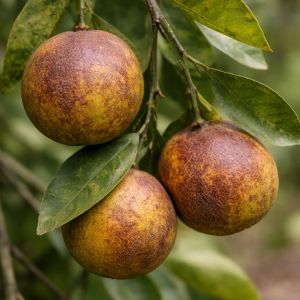 | – Rough patches on fruit skin with bronzed colour – Fruit colour is dulled – Worst affected during dry, hot periods – Severe cases can cause stunted fruit growth |
| Fruit Flies | 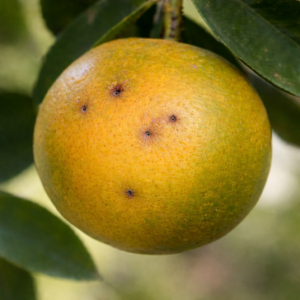 | – Small, indented entry holes on fruit – Stunted fruit growth and premature dropping – Maggots inside fruits |
| Ants | 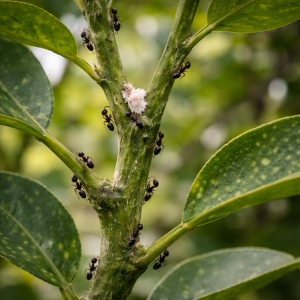 | – Ants travelling up and down stems – Indicator of other pests like aphids, scale and mealy bug – Farms sap sucking pests and harvested sticky residue |
| Sooty Mould | 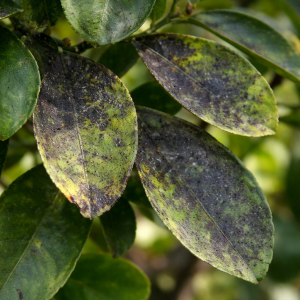 | – Black, sticky coating on foliage – Reduces photosynthesis of plants – Sticky residue underneath mould – Caused by sticky residue excremented from sap sucking pests |
| Melanose | 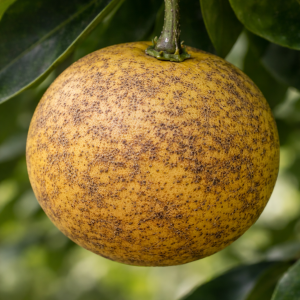 | – Small, dark raised spots on fruit skin – Appears after wet weather and hot humid days – Cosmetic, fruit quality is usually not affected. |
| Citrus Scab | 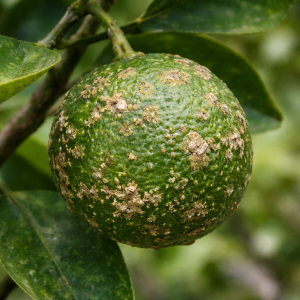 | – Cork like bumps on fruit skin, leaves and stems – If left untreated can cause stunted plant growth |
| Black Spot | 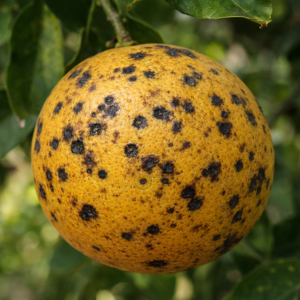 | – Black spots on fruit skins, can also be on foliage – Can cause fruit to drop – More likely to occur with high humidity |
| Root Rot | 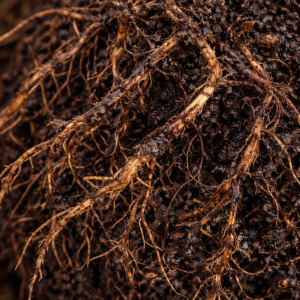 | – Wilting, yellowing leaves – stunted growth and reduced fruiting – Soil remaining wet for too long, mushroom growth from soil is a sign of this – Roots are a soft brown and mushy – Smell of rot can occur in severe cases |
| Yellow Leaves (Nutrient Deficiency) |  | – Full yellow leaves – Yellow Leaves with green stems – stunted growth – Poor fruit production – Browning on leaf tips |
| Leaf Curl | 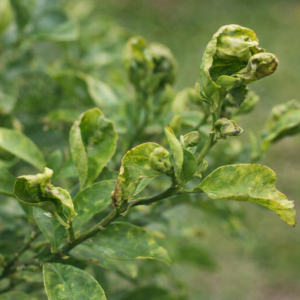 | – Leaves curling both inward and outward – Affected mostly new growth – Caused by stress linked to enviromental issues like heat, wind, cold and water |
Citrus Leaf Miner
The citrus leaf miner is a common pest that targets the new leaf growth during spring and summer on citrus trees. White moths use the citrus leaves to lay their eggs, and the eggs hatch into larvae, which burrow into and feed on the leaves. Larger, more established trees are less impacted by smaller infestations, but younger potted trees can be seriously impacted if left untreated.
How to Identify It
• A silver, squiggly line running through the leaves
• Commonly causes curling, twisting and distorting of leaves
• Affects mostly new growth, but damage can still be noticed in more mature leaves
• It is mostly seen during Spring and Summer growth flushes
Damage It Causes
The larvae are eating the plant’s leaf tissue, reducing photosynthesis. This effect is minimal in larger trees with minor infestations. Younger plants are much more susceptible to the negative impacts, causing major development delays and reduced vigour. Mature trees can be affected in very severe cases.
How to Control It
• Remove heavily affected shoots to reduce impact
• Avoid using fertilisers that are nitrogen-rich
• Set up pheromone traps to capture male moths
• Spray foliage regularly with horticultural oil during active time
Citrus Gall Wasp
Citrus Gall Wasp
The Citrus gall wasp is a native Australian pest that affects the citrus branches. It lays eggs in young woody stems, causing swollen galls to form. Infestations are most noticeable in late summer and autumn. These affect trees of all ages, causing stunted growth, reduced fruit production and stem dieback.
How to Identify It
• Swollen, misshapen growth on younger woody stems
• Small, round holes on older galls
• Reduced plant health and stunted growth in affected branches
Damage It Causes
Larvae that are inside the branches and stems eat the plant tissue, which causes decreased growth, weakened plant health, and can also reduce fruiting. If left untreated, the issue can multiply and spread to other nearby citrus trees.
How to Control It
• Prune affected stems before wasps emerge, making sure to destroy branches
• Regularly check trees for signs of wasp galls to allow fast removal
• Reduce high nitrogen fertilising that promotes soft growth for wasps to lay eggs
• If the issue persists, use a kaolin clay spray in Spring
Bronze Orange Bug / Stink Bug
Bronze orange bugs, also commonly known as stink bugs, are sap-sucking insects that feed on the sap of the fruit tree. When they are young, they can be seen on the underside of the leaf before emerging as a juvenile bug on the plant’s new growth and soft stems. They release a strong, pungent smell as a defensive mechanism; this is where they get their name, the stink bug. They can cause slowed development and reduced fruiting.
How to Identify It
• Clusters of bright orange nymphs or dark bronze adult bugs
• Found on soft stems and new growth
• Sticky residue from their excrement
• Stunted, wilting and yellowing of new growth
• Most active during Spring through to Autumn
Damage It Causes
Bronze orange bugs pierce soft plant tissue and feed on the sap of the fruit tree. This reduces its access to water and nutrients. This weakens new growth and causes yellowing and wilting of existing soft growth. It can also affect fruit production, resulting in poor fruit quality and fruit drop.
How to Control It
• Remove bronze orange bugs by hand using gloves and eye protection for safety
• Check regularly for signs of new infestations during warmer months
• Hose off young nymphs before they mature
• If infestations are severe, use horticultural oils on young bugs and eggs
• Removal is the best option for adult populations
Scale
Scale insects are sap-sucking insects that attach themselves to branches, stems and leaves. They feed on the sap of the plant. Scale can be seen year-round but are most active from spring to summer. If left untreated scale can spread rapidly and very regularly goes unnoticed until there are large numbers and causes significant damage.
How to Identify It
• Small, dome-shaped bumps in large clusters on stems and leaves
• Leave a sticky excrement, which can cause sooty mould on leaves
• Ants are a sign of scale as they harvest the sugary sticky excrement
Damage It Causes
As scale suck the sap from plant tissue, it reduces the availability of water and nutrients. Scale can spread quickly if not kept under control, so this can quickly cause stunted plant growth, reduced fruiting and a weakened tree.
How to Control It
• Prune heavily affected areas to quickly control populations
• Manual removal for smaller infestations or using a spray with a soap mix
• For more severe cases uses a horticultural oil
• Controlling ant populations, which farm scale by spreading them, can reduce their population spread also
Aphids
Aphids are small sap-sucking insects that target the soft, new growth of citrus plants. There are many different types of aphids, coming in different colours and sizes, but they all do similar damage. Their numbers can rapidly increase if left untreated. They are more likely to be seen during warmer weather, but can be seen year-round.
How to Identify It
• Clusters of small green, brown or black insects are usually on the tips and stems of new growth
• Distorted and curled new leaf growth
• A sticky residue that can cause sooty mould on leaves
• Ants on a plant can be a sign of aphids
Damage It Causes
Aphids target the soft new growth of citrus plants by feeding on the sap. This can cause stunted growth, curled foliage and reduced fruit production. This can be especially harmful to younger trees.
How to Control It
• Use water to remove small infestations
• Prune severely infested leaves and stems
• Encourage natural predators of aphids like ladybirds
• Soapy water can be used to treat smaller infestations
• Use horticultural oils or insecticidal soaps if unsuccessful with other approaches
Mealy Bug
Mealybugs are a small, soft-bodied insect that feeds on the sap of fruit trees. It is easily identifiable by the cotton-like fluff you’ll see around them on stems and leaves. They thrive during the warm, humid conditions from Spring to Autumn. Mealybugs tend to hide and feed in protected areas like leaf joints and stems, so if you see them on the foliage, there are often many more hiding. Mealybug feeding on sap will reduce water and nutrient availability, causing stunted growth, reduced tree development and fruit drop.
How to Identify It
• Clusters of white fluff, particularly on the stem and leaf joints
• Sticky residue covering affected areas
• Increased ant activity, harvesting the sweet sticky residue
Damage It Causes
Signs of mealybug damage include yellowing foliage, distorted leaves, sticky residue, and sooty mould. Severe cases can cause fruit drop, reduced vigour and stunted growth.
How to Control It
• Remove easily accessible mealybugs with a wet cloth
• Use a cotton bud with rubbing alcohol to apply to mealybugs in hard-to-reach areas
• Apply horticultural oils to badly affected plants for stronger control
• Control ant populations that will help mealybugs to spread
Spider Mite
Spider mites are very tiny sap-sucking insects that feed on leaf tissue. They are closely related to spiders, producing very fine webbing on leaves for protection. Spider mites are so small that they can be difficult to see; this usually results in them going unnoticed until they cause more serious damage. They are more active during periods of warm, dry weather.
How to Identify It
• Fine white webbing on the underside of leaves
• Yellow or bronze speckled foliage
• Foliage looks dry with a dull appearance
Damage It Causes
When they suck the sap from leaves, they discolour them; this means there is less green pigment, reducing photosynthesis. This slows growth and can look unsightly. If left untreated, they can cause leaf drop.
How to Control It
• Hose down the underside of foliage to remove mites
• Move the plant to a more humid area
• Use a miticide spray if infestation is severe
Citrus Rust Mite
Citrus rust mite is a microscopic insect that feeds on the rind of citrus fruits. These mites usually cause little damage to the fruit itself but cause the fruit skin to have a rough texture and a dark bronze colouring that reduces the fruit’s appeal. These mites thrive in humid, warm weather.
How to Identify It
• Dark bronze or brown skin on fruits
• Fruit texture is rough
Damage It Causes
The damage to the fruit is usually only cosmetic, not causing any reduction in fruit production or quality. In very rare severe cases in may affect the fruit quality.
How to Control It
• Monitor developing fruit to catch signs of citrus rust mite damage early
• Use a miticide or horticultural oil if required
Fruit Flies
Fruit flies are both annoying to people and impactful to citrus fruits. They thrive during warm, wet weather and spread quickly if left untreated. Female fruit flies pierce the skins of citrus fruits to lay their eggs. These eggs then hatch into larvae that feed on the soft fruit, spoiling fruit and if left untreated, more fruit flies.
How to Identify It
• Soft spots on citrus before fully ripe
• Small brown spots where the female has broken the fruit’s skin
• Premature fruit drop
• Rotten fruits with maggots inside
Damage It Causes
Citrus fruit affected by fruit flies will be inedible as it will be rotten from the inside before being ripe and ready to eat. Untreated fruit fly infestations will increase rapidly and can spread to other fruit trees nearby.
How to Control It
• Check fruits regularly during hot, humid weather for signs of fruit fly infestations
• Use pheromone traps to catch males before they breed with females
• Remove fallen fruit from the ground around trees
• Destroy any affected fruits
• Covering fruit trees with fine netting during worst affected times
Ants
Ants themselves do not directly cause damage to fruit trees, but they are a sign of other pests on your tree. They do, however, spread pests to more parts of a plant to increase the spread; this is because they feed on the sugary excrement of the pests. They also protect pests from natural predators like ladybugs.
How to Identify It
• Ants can often be seen going from their nests closer to the ground or in the soil of pots up the stems, where there are pests
• If pests are thriving and spreading quickly, there is a chance ants are involved
Damage It Causes
The damage they cause isn’t direct, but indirect, as they protect pests like aphids and scale, which do cause direct damage to plants by feeding on the plant’s sap.
How to Control It
• Use ant barriers and stick traps to prevent them from accessing the pests on the tree
• Treat pests on the fruit tree to reduce ant activity
• Use ant baits for larger ant infestations
Sooty Mould
Sooty mould is a black fungal disease that grows on the sticky sap called honeydew that is caused by sap-sucking insects like aphids and scale. The sooty mould does not actually feed on the plant or directly feed on the plant, but can still affect the health of the fruit tree as it grows over the leaves and stems of the plant.
How to Identify It
• Black coating on leaves and stems
• Can be wiped off with a damp cloth, usually
• Identification of sap-sucking insects
Damage It Causes
The black coating covers foliage, which reduces photosynthesis, resulting in reduced growth and, in extreme cases, severely stunting growth and fruit production.
How to Control It
• Wipe off sooty mould using a damp cloth
• Treat the pest which causes the honeydew
• In severe cases, remove heavily affected stems and branches
Melanose
Melanose is a common fungal disease that affects citrus fruits and foliage. It causes dark brown or black rough spots, usually seen in streaked patterns, but not always. Melanose thrives in warm, humid conditions. It causes mostly cosmetic damage to fruits. Melanose can cause rot to stems in severe cases.
How to Identify It
• Small dark spots clustered on fruits and foliage
• The surface of the spots is rough
• Often seen in streaks as it spreads through water dripping
Damage It Causes
Melanose on citrus fruit is mostly cosmetic; the fruit is safe to eat, and the quality and fruit production aren’t affected. Bad cases of Melanose can affect stems, which can cause rot and stem dieback.
How to Control It
• Improve airflow, either by moving the pots to a more open position or by pruning very bushy plants
• Remove badly affected areas to stop the spread
• Change to a morning watering routine
• Apply copper fungicide as a preventative on new growing fruits
Citrus Scab
Citrus scab is a fungal disease that forms cork-like growths on the fruit’s skin and leaves. Fruits can become distorted and unappealing. Citrus scab thrives in warm, humid and wet conditions. Citrus scab can spread if left untreated.
How to Identify It
• Distorted fruit
• Cork-like lesions appear on fruit skins and leaves
Damage It Causes
Fruits can grow distorted and cork appearance can be unappealing. The actual fruits inside remain largely unaffected and are still safe to eat.
How to Control It
• Move potted plants to a spot with more sun and airflow
• Prune dense foliage to improve airflow
• Water during the morning
• Remove affected leaf litter from the base of plants
• Apply a fungicide during fruit development
Black Spot
Citrus black spot is a disease that affects the fruits on the tree but can also affect the foliage. It spreads as small, black circular spots around the rind of the fruit. As well as being less appealing, a black spot will reduce the quality and production of fruit, even leading to fruit drop. Black spot thrives in hot, wet, humid conditions, spreading through water.
How to Identify It
• Dark spots with small indentations in the fruit’s skin
• Premature fruit drop
• Inconsistent sizes of holes with little to no pattern
Damage It Causes
Citrus black spot will significantly reduce fruit quality, causing fruits to drop prematurely, and black spots on foliage can affect the health of the plant. If untreated, it will spread across trees and can spread to other nearby fruit trees.
How to Control It
• Remove any dead leaves and dropped fruits from the base of the plants
• Pruning severely affects fruits and branches
• Improve airflow to plants
• Water plants in the morning
• Implement a regular copper spray plan during warmer months
Root Rot
Root rot occurs to roots when plants in pots aren’t adequately draining or are being watered too often. Excess moisture creates conditions for fungal pathogens. Root rot is more likely to occur during cooler seasons when soil is slower to dry and plants are using less water, although it can occur year-round.
How to Identify It
• Yellowing foliage
• Soft, wilting leaves
• Squishy, dark roots
• Smell of rot
Damage It Causes
Root rot can be very impactful to the plant’s health, stunting growth, reducing nutrient availability, reducing production and in severe, untreated cases, killing plants
How to Control It
• Improve the drainage of the soil
• Have the correct size pot for your tree
• Reduce watering
• Move plants in pots to a sunnier position
• Apply a fungicide specific for root rot
Yellow Leaves
Yellow leaves can indicate many different issues with a citrus plant, most will point to a lack of available nutrients. Root health, pest and diseases can also cause yellowing of leaves. This is especially common in potted fruit plants as they have no natural access to fertilisers.
How to Identify It
• Foliage is going pale or yellow
• Full leaves are yellow, or the veins are remaining green
• Leaves are dropping
Damage It Causes
Yellow leaves reduce photosynthesis as it needs the green pigment to do so. Although the yellowing leaves don’t directly cause issues, the lack of nutrients causes stunted growth, reduced fruiting, leaf drop and fruit drop. In severe untreated cases it can kill the plant.
How to Control It
• Apply a balanced fertiliser of both macro and micronutrients
• Ensure plants are in the correct potting mix
• Check the pH of the soil is correct
• Adjust watering
• Identify fertiliser needs and address specific issues
Leaf Curl
Leaf curl itself isn’t a pest or disease; it is instead a result of pests, diseases, or environmental stress of the fruit tree. It can occur at any time of the year due to many different reasons. Identifying the cause of leaf curl is important before the issue causes more severe damage to the fruit tree.
How to Identify It
• Twisted or curled leaves
• Small insects amongst affected leaves
• Leaves are yellow or showing signs of disease
Damage It Causes
Leaf curl can cause reduced photosynthesis and make trees look very unappealing. Leaf curl itself causes minimal direct damage to the fruit tree or fruit production. The issue that’s causing leaf curl will likely cause other issues.
How to Control It
• Identify the cause of the issue
• Treat the issue causing leaf curl
• Removing severely affected areas to allow energy to be used for new growth
Preventing Citrus Pest and Diseases in Potted Trees
Potted citrus trees are more susceptible to pests and diseases as a restricted plant can increase stress which reduces its natural resilience. To counter this there are steps you can take to give your citrus tree the best chance to thrive.
Using The Correct Potting Mix
When it comes to root health and preventing root rot, using the correct, high quality potting mix is night and day when compared to a cheap all-purpose mix. A good quality citrus potting mix will be both moisture retentive and drain well. This will mean the plant has water when it needs it, but not overly saturated. It will also allow necessary airflow to the roots.
If you’re wanting to know more about the best potting mixes for Citrus and other fruits check out the guide here for the best potting mix for fruit trees in pots.
Watering in Pots
Water citrus trees in the morning, especially when grown in pots. Container soil heats and dries faster than garden beds, so early watering ensures the roots have adequate moisture during hot conditions.
Morning watering also reduces the risk of disease by allowing excess moisture to dry before nightfall. Persistently wet potting mix and damp foliage create ideal conditions for fungal pathogens to spread.
Need a bit more guidance on watering? Check out the guide here how to water fruit trees in pots
Use the Correct Pot Size
Using the correct size is extremely important when growing citrus in pots. Pots and planters that are too small will restrict root growth, and once roots become root bound the tree can become stressed and will be far more vulnerable to pests and diseases.
The restricted roots will also be limited in the amount water and nutrients it can uptake. This weakens overall growth and reduces the citrus tree’s ability to naturally fight off pests and diseases. As a citrus tree grows, they should be repotted into larger pots to give the roots enough space and allow adequate access to water and nutrients.
As well as the right size, having enough drainage holes is also essential. If water cannot drain freely, the potting mix will stay wet for too long, causing root rot and other fungal diseases.
For more information on picking the right size pot for your citrus tree you can check out the guide here.
Airflow & Sunlight
Ensuring good airflow and plenty of direct sunlight will make a big difference in preventing pest and diseases. Potted plants that are placed in sheltered corners and against walls can reduce airflow and be in low light conditions. Additionally, plants placed in clusters too close together with decrease airflow, reduce light and increase humidity. These will all create ideal conditions for fungal diseases to develop and spread.
Place potted citrus trees in a position that are getting at least 6 hours of direct sunlight each day will both decrease diseases and ensure the plant has enough light to grow healthily.
Prune fruit trees, removing any dense foliage and crossing branches. This will create a more open shape, improve airflow and dry wet foliage quicker.
Feed Properly
Citrus trees grown in pots have no natural access to nutrients, so rely entirely on you for all their nutrient needs. Over time, added fertilisers are absorbed by the tree and leach out of potting mix through regular watering.
Fruit trees will be less resilient to pests and diseases if they don’t have access to the nutrients they need, so adding fertilisers, especially from Spring to Autumn, is very important.
When feeding citrus trees avoid using fertilisers that are high in nitrogen. Nitrogen is what citrus trees use to grow new green grown, but too much will force the tree to put out growth rapidly. This new growth will be soft and weak instead of tough and resilient, so pests and diseases can spread more easily to it.
Growing Citrus Successfully in Pots
Healthy citrus trees are far more likely to be resilient to pests and diseases. Chosing the correct pot size, watering, fertilising and taking care of your citrus tree will all play a key role in maintaining your fruit trees health.
For a step-by-step guide to growing fruit trees in pots check out my guide here how to grow fruit trees in pots.